The Feeling Behind Familiar Local Food Stops
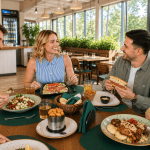
Every city has restaurants people recommend automatically without needing to think twice. Those places become woven into everyday conversations because they create experiences that feel recognizable, dependable, and personal. Neighborhood sandwich shops especially hold a unique role because they often become tied to routines, memories, and local identity.
Unlike trend focused restaurants chasing viral attention, local favorites usually grow through consistency. Customers remember specific meals tied to certain days, conversations, or moments in their lives. Over time, the location becomes more than somewhere to eat. It becomes part of the neighborhood itself.
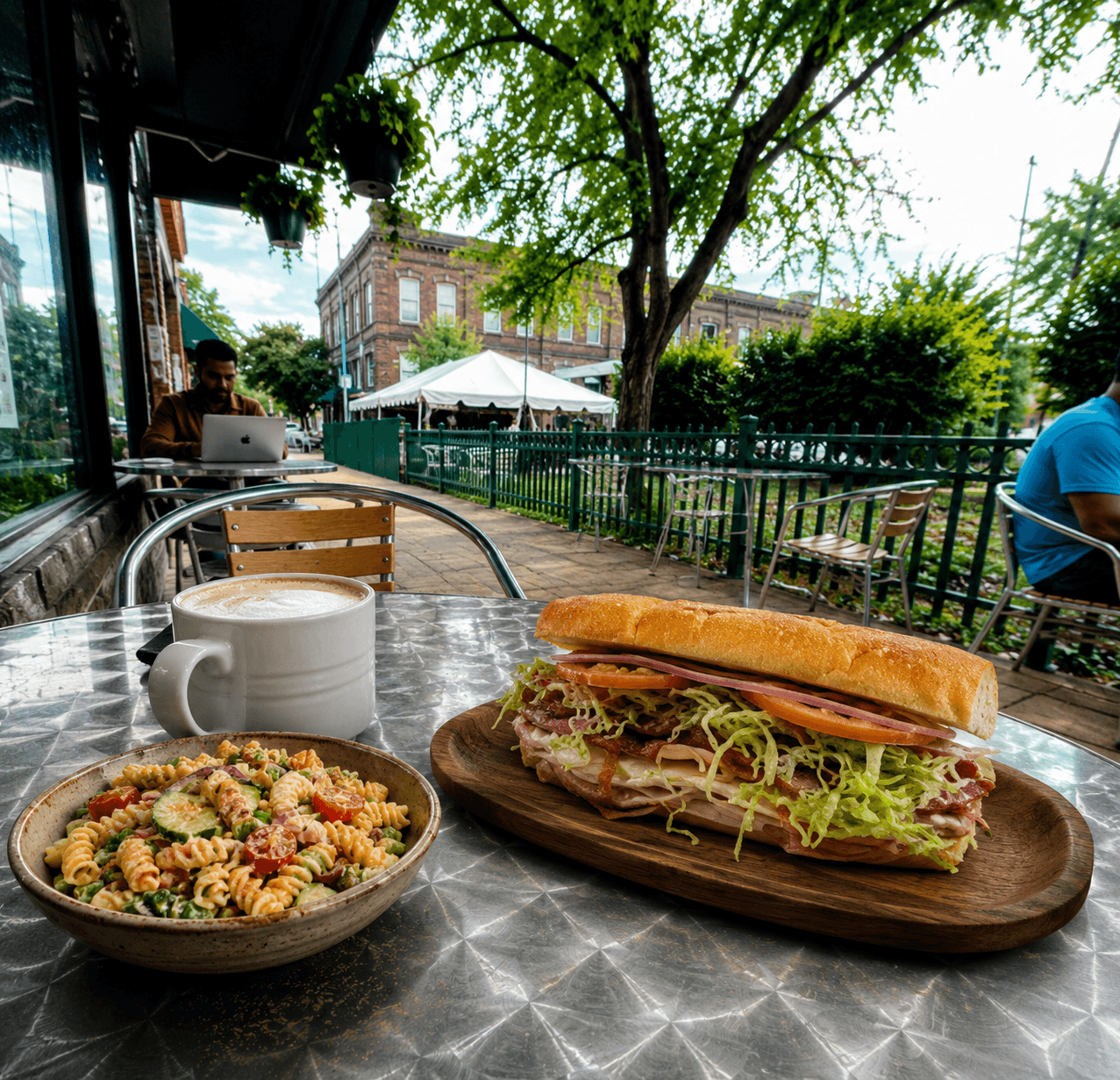 Atmosphere plays a major role in shaping that connection. Familiar spaces create comfort through small details people begin recognizing immediately. The environment feels easier to return to because it carries personality instead of feeling interchangeable.
Food also becomes deeply connected to routine. Many people visit the same lunch spots weekly because familiarity removes unnecessary decision making from busy schedules. Knowing exactly where to go and what to expect creates comfort during packed days.
That relationship grows stronger when restaurants feel grounded in genuine local culture rather than corporate uniformity. Independent sandwich spots often reflect the personality of the surrounding area more naturally. Customers feel that authenticity through the environment, service, and food itself.
At The Grinder, local identity shapes the overall experience in a way customers notice immediately. The atmosphere feels connected to neighborhood routines instead of temporary trends. That grounded feeling helps explain why smaller sandwich locations continue building loyal followings across generations.
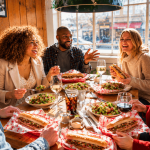
Community focused food spaces also create social familiarity. Customers recognize workers, regular visitors, and favorite menu items over time. Those repeated interactions help local restaurants feel welcoming instead of transactional.
That emotional connection remains one of the biggest reasons neighborhood sandwich shops continue standing apart from larger dining chains.
Why Food Choices Shape the Entire Experience
People often decide whether they will return to a restaurant based on how memorable the food selection feels. Strong sandwich shops usually build loyalty by offering combinations customers continue craving long after leaving.
Well organized menus help support that experience because they guide customers naturally without overwhelming them. Simplicity often works better than endless options because recognizable favorites become easier to revisit repeatedly.
Sandwich culture itself has also changed significantly over the years. Customers now expect freshness, customization, and personality instead of generic combinations. Local shops stand out when meals feel crafted thoughtfully rather than mass produced.
Another important detail involves balance. Great sandwich spots often combine familiar comfort with enough variation to keep customers interested. Seasonal specials, signature combinations, and dependable classics all help maintain long term interest without losing consistency.
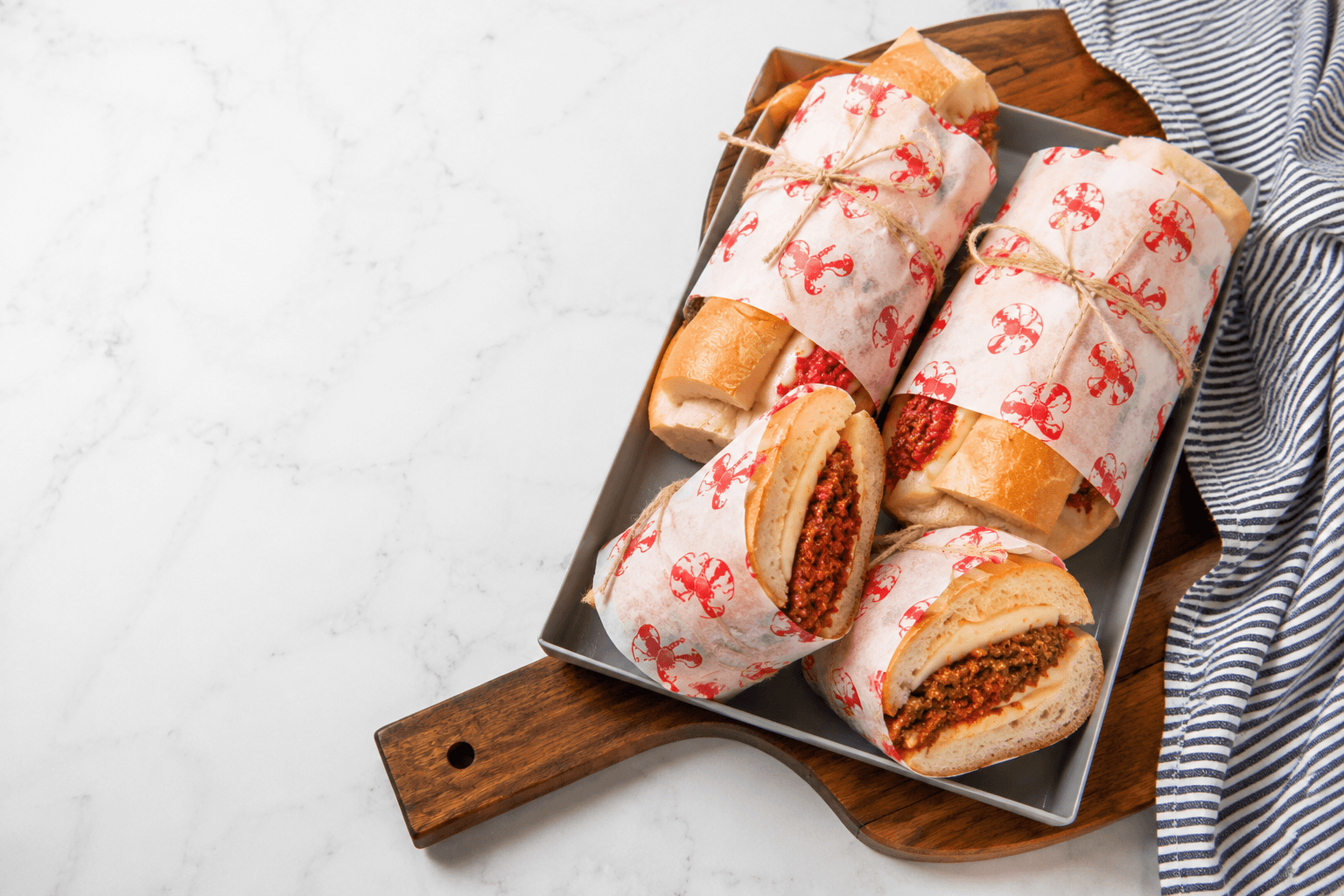 Food presentation matters too, especially within modern social culture where people regularly share meals online. Customers appreciate meals that look appealing while still feeling approachable and satisfying instead of overly complicated.
Portion sizes also influence loyalty heavily. Neighborhood favorites often become trusted because customers feel they receive genuine value during every visit. Consistency builds confidence, and confidence strengthens repeat business naturally.
The overall dining experience extends far beyond ingredients alone. Layout, service flow, atmosphere, and food quality all work together to shape how customers remember the location afterward.
That complete experience explains why local sandwich spots often develop stronger emotional connections with customers than larger restaurant chains attempting to serve broader audiences.
How Community Connections Keep Local Favorites Relevant
Neighborhood restaurants survive because communities continue supporting them repeatedly over time. That loyalty usually develops through trust, familiarity, and involvement beyond regular dine in traffic.
Group events, office lunches, celebrations, and local gatherings all create opportunities for restaurants to strengthen relationships within surrounding communities. Reliable catering services often become part of those moments because people naturally choose places they already trust for larger events.
Community involvement also helps local restaurants feel more personal. Customers appreciate businesses that participate actively within nearby schools, workplaces, and neighborhoods rather than operating anonymously.
Background matters too. People increasingly care about our story because they want authenticity from the places they support regularly. Knowing how a restaurant started or what shaped its identity creates stronger emotional investment.
At The Grinder, local familiarity remains central to the overall experience. The restaurant feels tied to everyday neighborhood life rather than disconnected from it. That grounded atmosphere keeps customers returning not only for food but also for familiarity.
Consistency also remains essential for long term relevance. Customers return repeatedly when they trust the quality, environment, and overall experience will remain dependable during every visit.
Neighborhood sandwich shops succeed because they provide more than convenience. They create recognizable spaces where routines feel comfortable and food feels connected to everyday life.
For more information about favorites on the menu, catering options, or the story behind the restaurant, contact us at The Grinder and experience what keeps local sandwich culture meaningful year after year.
About The Author