The Routine Nobody Notices Until It Disappears
Most people do not realize how attached they become to familiar food places until one suddenly feels unavailable. A sandwich shop often becomes part of a person’s normal rhythm without much thought. It turns into the place visited after long meetings, during rushed lunch breaks, after school pickups, or before heading home late in the evening.
That routine matters more than people expect because food habits are closely tied to comfort and predictability. Walking toward a favorite counter usually comes with familiarity. People already know what they want before reaching the door. The smell feels recognizable. The menu feels comfortable. Even small interactions become part of the experience.
Then suddenly the lights are off. Chairs are stacked. The sign says closed.
That tiny moment creates an oddly frustrating feeling because the brain already expected satisfaction before arriving. Instead of a quick meal, people suddenly need a backup plan. Many realize they do not actually want another option. They wanted the exact sandwich they had already imagined on the drive over.
Modern schedules make those moments feel even bigger. Long days leave little energy for searching through endless food options. People prefer places they already trust because familiarity removes stress from decision making. A dependable sandwich stop becomes a shortcut during busy afternoons and exhausting evenings.
 Technology has changed part of that experience too. More customers now expect convenience before even leaving home. They browse menus while working, save favorites, and plan meals ahead of time. Being able to order online creates reassurance because it helps avoid uncertainty during packed schedules.
Digital convenience also matters because people increasingly multitask throughout the day. Fast ordering systems help customers move through lunch breaks more efficiently while still enjoying meals they genuinely look forward to. Instead of wasting time searching elsewhere, reliable local spots simplify the process.
That emotional connection explains why favorite sandwich shops become difficult to replace. People are not simply buying lunch. They are returning to a dependable part of their daily routine.
The Difference Between Convenience and Familiarity
Food delivery apps have created unlimited options, yet many people still rotate through the same trusted locations repeatedly. Choice alone does not create loyalty. Familiarity usually matters more than endless variety.
When someone already knows the quality, portions, and flavors they enjoy, ordering feels effortless. The experience becomes even smoother once customers build habits around favorites. That sense of reliability keeps people returning instead of constantly experimenting with unfamiliar places.
Online ordering systems play a major role in supporting those habits now. Customers expect clean browsing experiences where they can quickly move from selection to payment without confusion. A smooth cart process helps reduce friction, especially during lunch rushes or busy evenings when time feels limited.
People also appreciate transparency throughout the process. Knowing exactly what was selected, when it will arrive, and how the order is progressing creates confidence. Those small details influence whether someone returns to a restaurant repeatedly or moves on to another option.
Modern customers often place food orders while balancing work calls, errands, commuting, or family responsibilities. Simplicity becomes extremely valuable during those moments. Nobody wants complicated systems when they already know exactly what they are craving.
The payment stage matters too. A smooth checkout experience helps reinforce positive impressions because it removes unnecessary interruptions before the order is completed. Fast digital systems now shape customer expectations almost as strongly as the food itself.
Convenience, however, still works best when paired with emotional connection. Local sandwich spots create memories through consistency, atmosphere, and dependable quality. Those experiences cannot always be recreated through generic chain restaurants or random delivery suggestions.
That combination of efficiency and familiarity explains why trusted sandwich locations remain important inside busy daily routines. People continue returning because they know the experience will feel comfortable before even opening the menu.
Why Digital Ordering Changed the Lunch Rush Experience
Lunch breaks once involved long waits, crowded counters, and rushed conversations while people tried deciding what to order quickly. Technology has shifted much of that process by allowing customers to plan meals earlier and move through orders more smoothly.
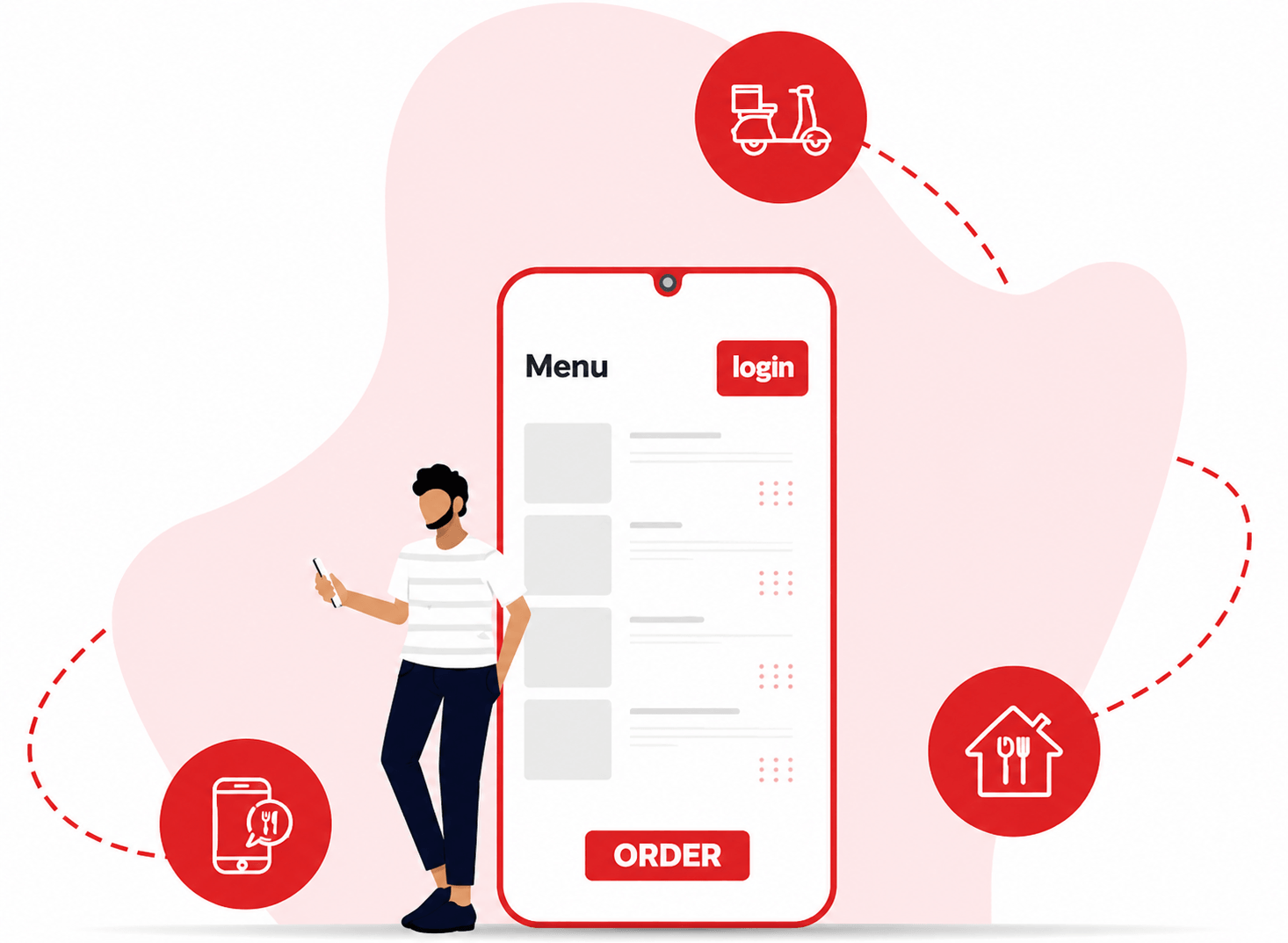 Many customers now check menus before leaving work or home. They already know what they want by the time hunger hits. Digital ordering reduces uncertainty while helping restaurants manage demand more efficiently during peak hours.
Tracking systems also improved customer confidence significantly. Features connected to my orders help people stay informed about preparation status, timing, and previous purchases. That visibility creates reassurance during hectic schedules where timing matters.
Another major advantage involves customization. Customers increasingly expect flexibility with ingredients, add ons, or side selections. Digital systems make adjustments easier without slowing down lines inside the restaurant itself.
Convenience also supports repeat visits. Once people become comfortable with a restaurant’s ordering platform, reordering favorite meals feels fast and familiar. That ease strengthens customer loyalty over time because habits become deeply connected to convenience.
Even with technological improvements, however, the atmosphere still matters. A sandwich shop is more than a transaction. Local favorites often represent a break from stressful routines, noisy schedules, or repetitive workdays. The experience itself becomes part of why people return.
That emotional connection explains why disappointment feels stronger when a favorite location happens to be closed unexpectedly. Customers are not only missing food. They are missing a familiar reset point within the middle of a busy day.
The Local Favorite Worth Returning To
Reliable neighborhood food spots remain important because they combine comfort, consistency, and familiarity in ways larger chains often cannot recreate. People return not only for sandwiches but also for routines that feel dependable during busy schedules.
At The Grinder, that familiarity extends beyond the counter through online convenience, straightforward ordering tools, and a menu people genuinely look forward to revisiting. Whether someone prefers planning meals ahead, checking previous favorites, or placing quick lunch requests online, dependable systems help make the experience easier from start to finish.
The connection between good food and daily routine continues shaping how people choose where to eat. Familiar sandwich shops often become part of everyday life simply because they make stressful days feel lighter and lunch breaks feel more rewarding.
When cravings return after long afternoons or packed evenings, finding a place that feels recognizable still matters. That balance between convenience and comfort explains why dependable local sandwich spots continue standing out inside crowded food scenes.
For more information, future orders, or questions about favorites on the menu, contact us at The Grinder and discover why familiar lunch spots remain part of everyday routines long after the first visit.
About The Author